Web3 cards and euro stablecoins: What you should know in 2026
TLDR
Web3 cards let users spend stablecoins like EURe at any merchant that accepts cards. Under MiCA, euro stablecoins must be issued by regulated Electronic Money Institutions (EMIs) to comply with regulations. Projects such as Gnosis Pay and MetaMask Carduse EURe for instant euro settlement. Wallets, fintechs, and neobanks must integrate a MiCA-compliant euro token to issue legal, trusted cards.
Compliance matters
In 2026, the line between fintech and web3 banking is blurring. Users expect to spend crypto and stablecoins as easily as euros in their bank accounts. Meeting these expectations depends on one critical factor: a compliant euro settlement layer.
MiCA now regulates euro stablecoin issuance and use. Non-EMI tokens are no longer allowed for consumer payments or card programs in the EU. As a result, new payment networks use regulated e-money tokens like EURe, connecting wallets directly to SEPA and Visa or Mastercard rails.
What are web3 cards?
Web3 cards connect digital assets on a blockchain and everyday payments. They link to self-custodied wallets, so users spend stablecoins or crypto in stores or online , which are automatically settled via Visa or MasterCard, and the merchant receives fiat directly in their bank account.
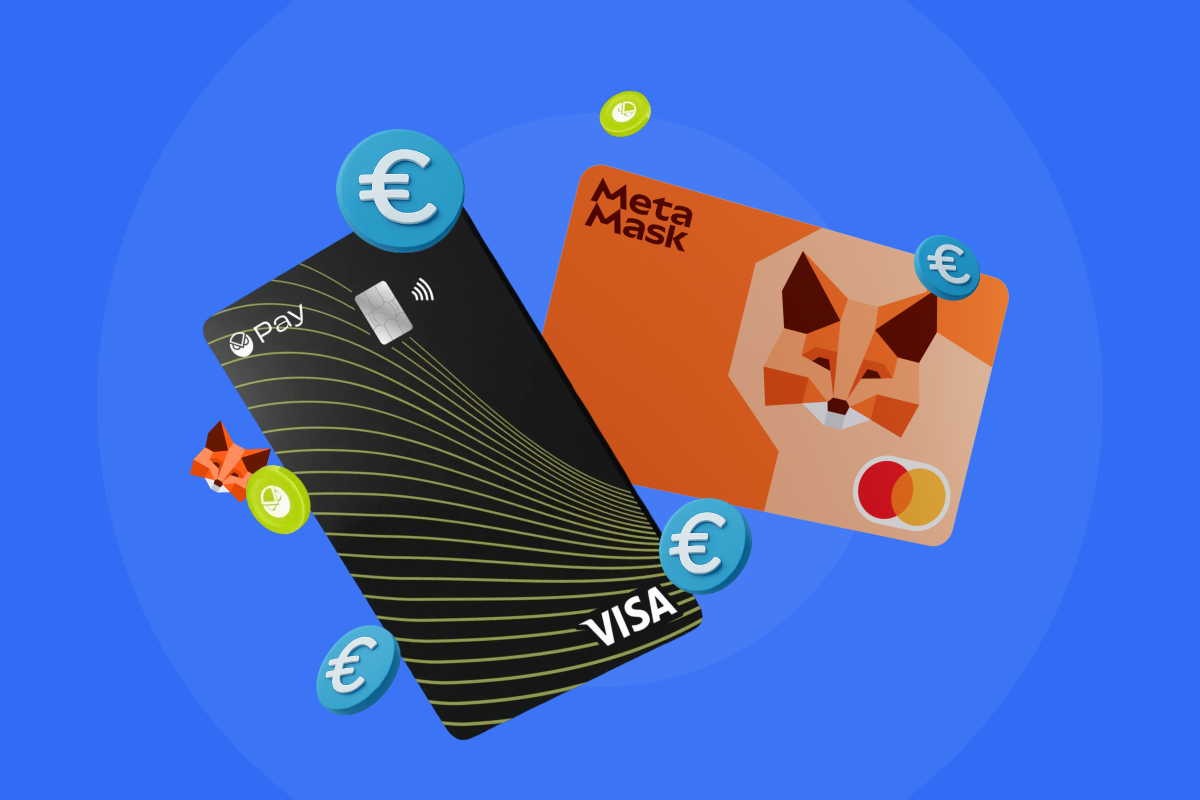
Today’s leading examples are the Gnosis Pay Card and MetaMask Card.
How EURe enables web3 cards
Monerium’s EURe is a euro e-money token serving as the fiat backbone for web3 payment systems. When combined with card issuers such as Gnosis Pay or MetaMask Card, EURe enables:
- Direct euro settlement between wallet and payment network
- Real IBANs for SEPA transfers in and out
- Instant top-ups using EURe or traditional bank payments
Users benefit by receiving euros, converting them to EURe, and spending directly from their wallet. Merchants are credited in fiat via familiar rails, sustaining a blockchain-centric user experience. This model offers superior speed and compliance over crypto-backed stablecoins or offshore tokens.
Why web3 cards are a game changer for fintechs and wallets
Integrating a web3 card unlocks powerful new use cases:
- Wallet providers enable spending from users’ onchain balances.
- Fintechs can expand into crypto-native markets with full EU compliance.
- Exchanges and neobanks can embed euro accounts and payment functionality seamlessly.
Because EURe connects both SEPA and blockchain ecosystems, card issuers avoid extra banking partners or conversions, allowing Monerium to handle compliance and settlement while applications focus on the UX.
Conclusion
- Choose a licensed EMI partner before launching or expanding a card product.
- Use EURe for SEPA connectivity and MiCA-compliant euro liquidity.
- Offer users real IBANs for deposits and instant wallet top-ups.
- Connect your card program to wallets like MetaMask or Safe for native control.
Integrate EURe into your web3 card
- Contact the Monerium team and schedule a kickoff call.
- Register your application, integrate, and start testing